20(!) Baby Elephants
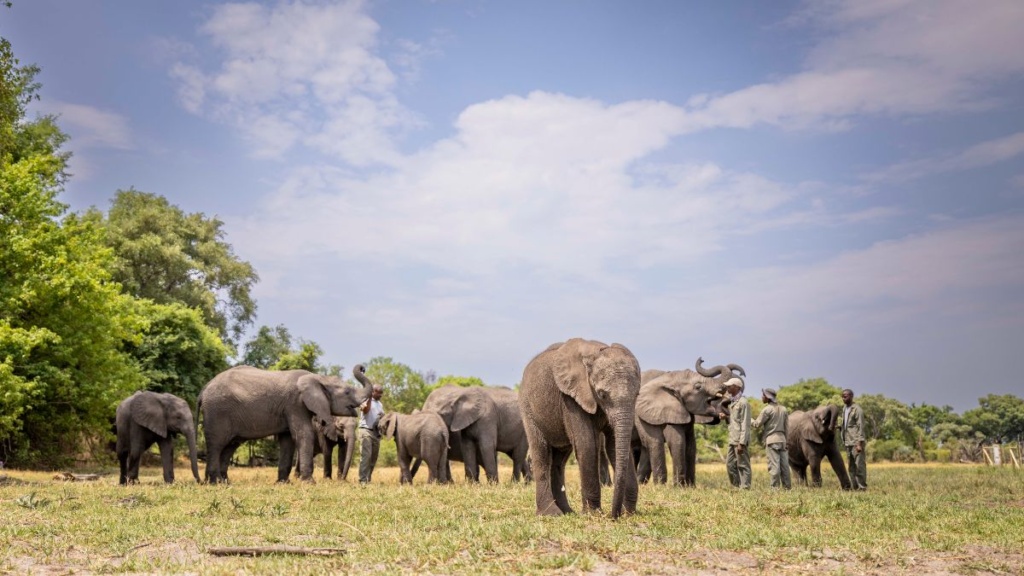
As much as we try to expect the unexpected, nothing prepared us for the past month at Elephant Havens. In October the count of youngsters at the orphanage stood at 10. By the first weekend in December, the herd had increased to 20. Some came to us at less than a week old. Tshepiso, our matriarch, has just about thrown in the towel as she rushes around to give her gentle attention to each and every one. In truth, the human handlers have it all in hand. Some babies have come in with umbilical cords still in place, barely knowing how to suckle at all. Our talented and loving team patiently helps them realize we are their “Mothers” and will provide for their every need—whether it is food, warmth, or just someone to play with.
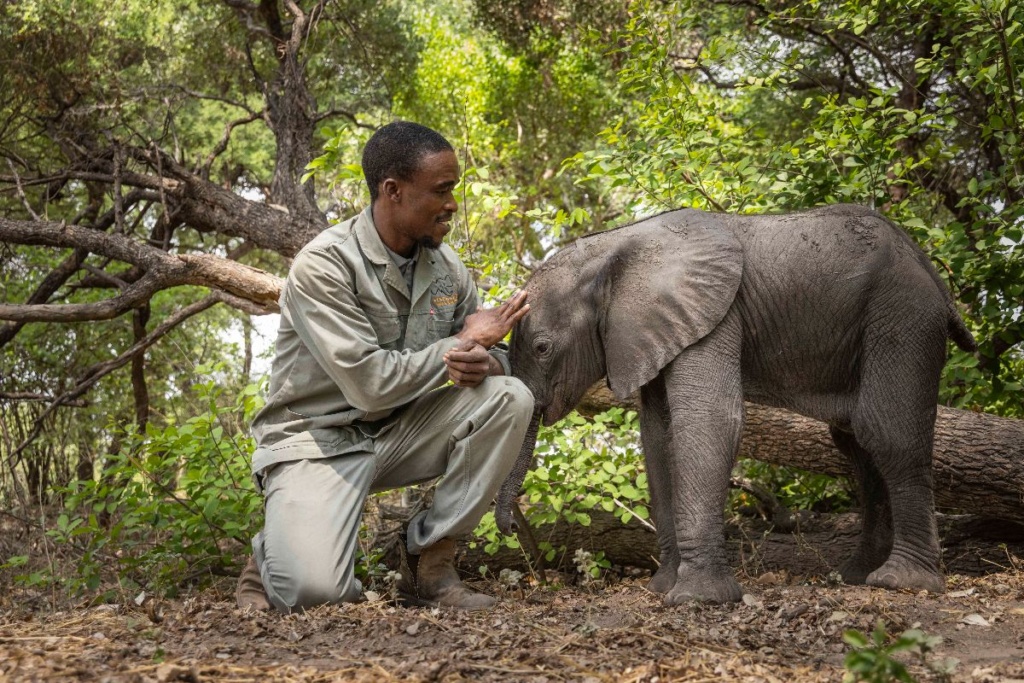
So, this visit was different. No comparison to our prior stays. Elephant Havens is a multi-faceted initiative, and we can run its many components at the same time. But the rescue and wildlife function of the orphanage has NEVER encountered such an onslaught of need. It was all about rescue, rehabilitation, and habituation of the elephants every minute we were there. The team has performed brilliantly. Fortunately, we had the reserves to fund the many needs. But it has blown a bit of a hole in the budget, to put it mildly.
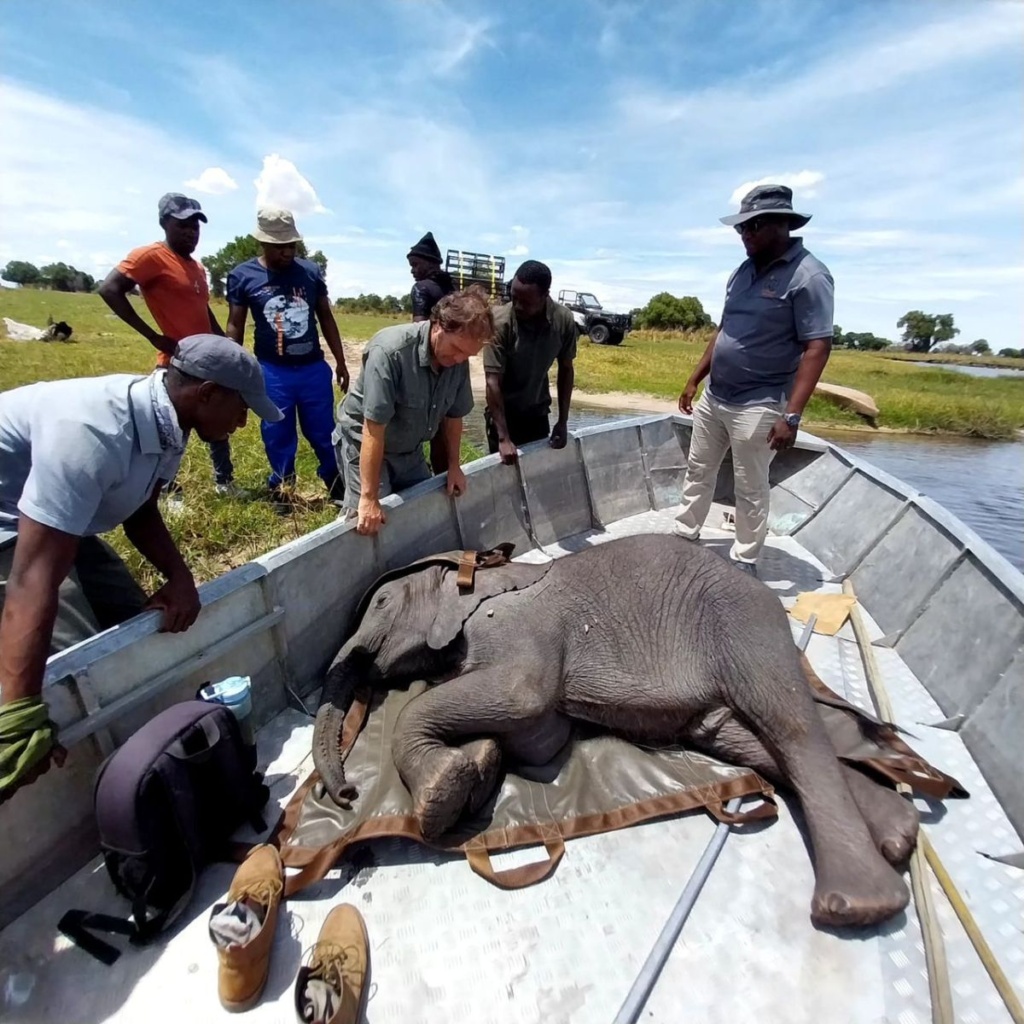
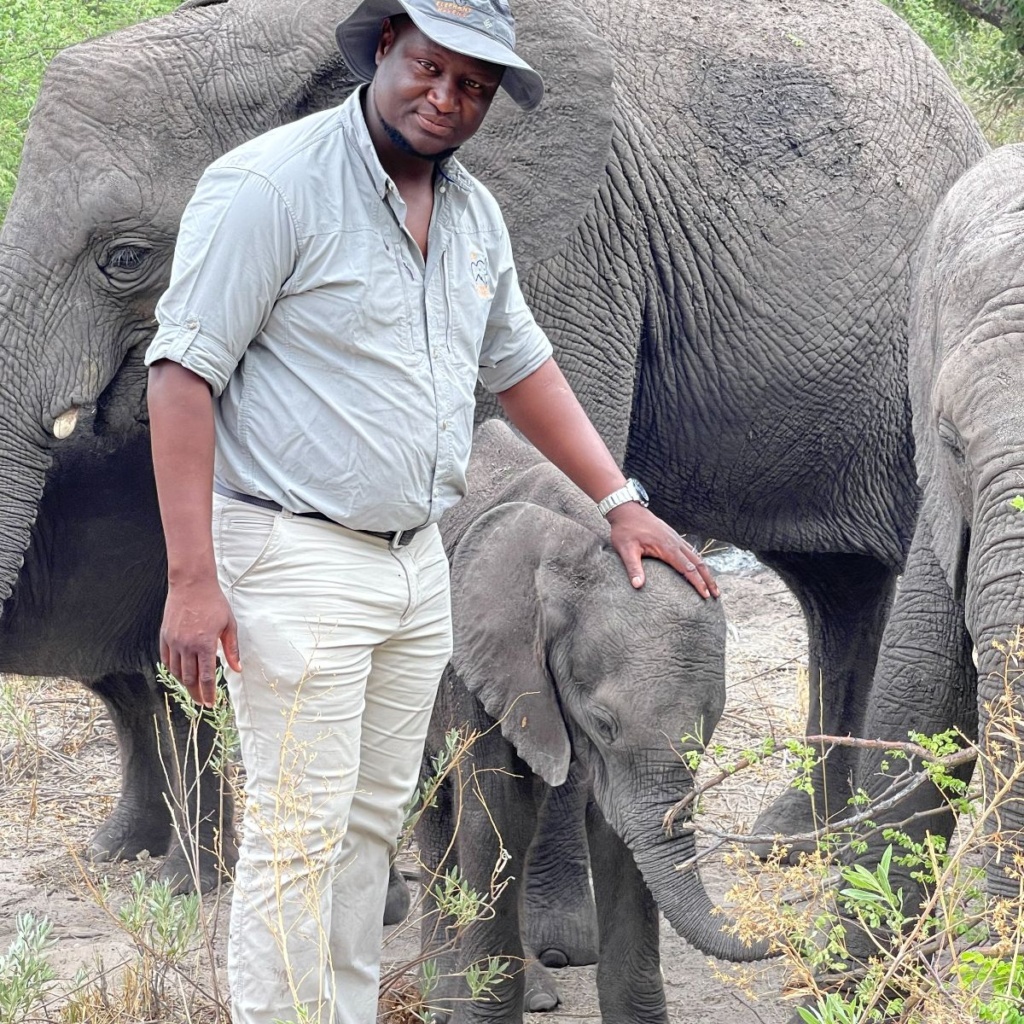
This winter dry season in Botswana (which is especially hot and brutal this year) continues unabated and seems to have brought this surge in babies. Herds have found themselves in conflict with communities (lethal for some mothers) as they roam further searching for food and water. And sadly, some other unfortunate human interventions have created hazards for babies. History has taught us that October brings stress to the wildlife. November rains usually relieve that. No rain has come as yet, and heat continues 10-15% above norms.
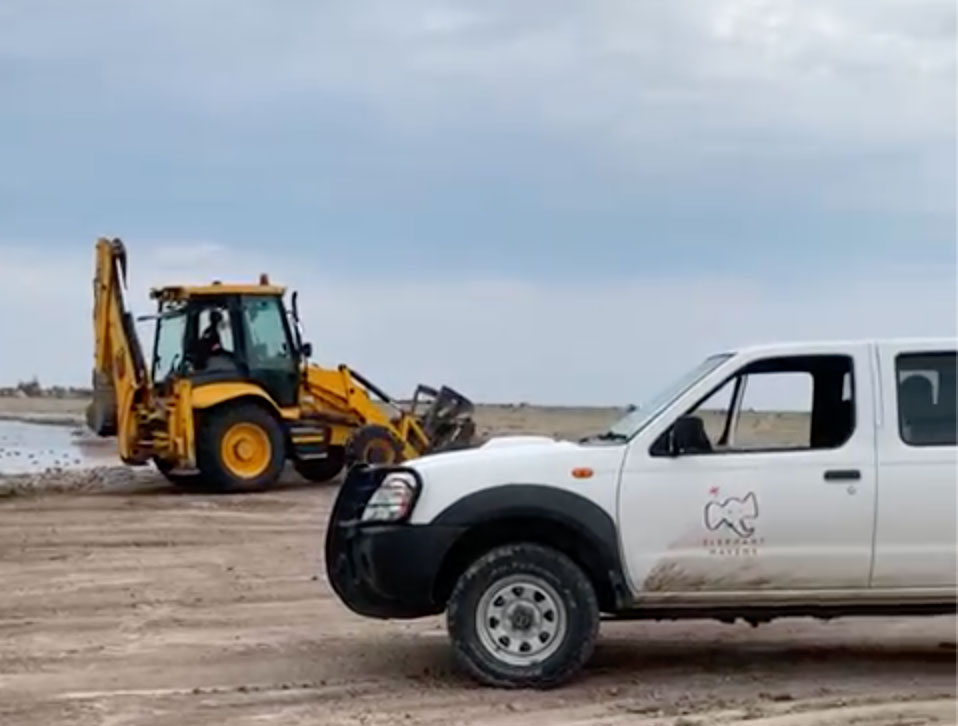
In one particularly tragic situation, as a response to heat and drought, a large artificial pond had been created with water pumped from a well. The pond was churned into mud with wildlife activity, and it became a trap for baby elephants who would get stuck. We realized the issue was dire and sent a team several hours to the south to camp there, patrol the situation, and remove young ones as they became stuck. The mothers seemingly knew we were there to help and stood aside while we retrieved their young ones for heartfelt reunions.
Then we hired and trucked in a large backhoe machine and rectified the situation. Of course, this was all costly, but we felt it had to be done. The tiny calves stand a much better chance of survival with their mothers than with us.
On this trip we spent much time with vets and in the lab and little time with guests. New hires include four experienced handlers who had received great training up near Victoria Falls. We have worked a bulk discount from the Botswana distributor of the milk formula that is given to 17 babies every 3 hours, 24 hours each day. We also procured a regular bulk supply of goat milk for the very young rescues.
Sometimes we received two calls a day with reports of babies in distress. We became regular visitors to the two proper pharmacies and one livestock supply house in town as we sourced lactase and glucose drips for intravenous rehydration of the little ones, as well as Betadine and other wound treatments to deal with healing umbilical cords and the wounds that these tough little ones suffer from hyenas and leopards before we get there. Two are teething, and that requires gum salve.
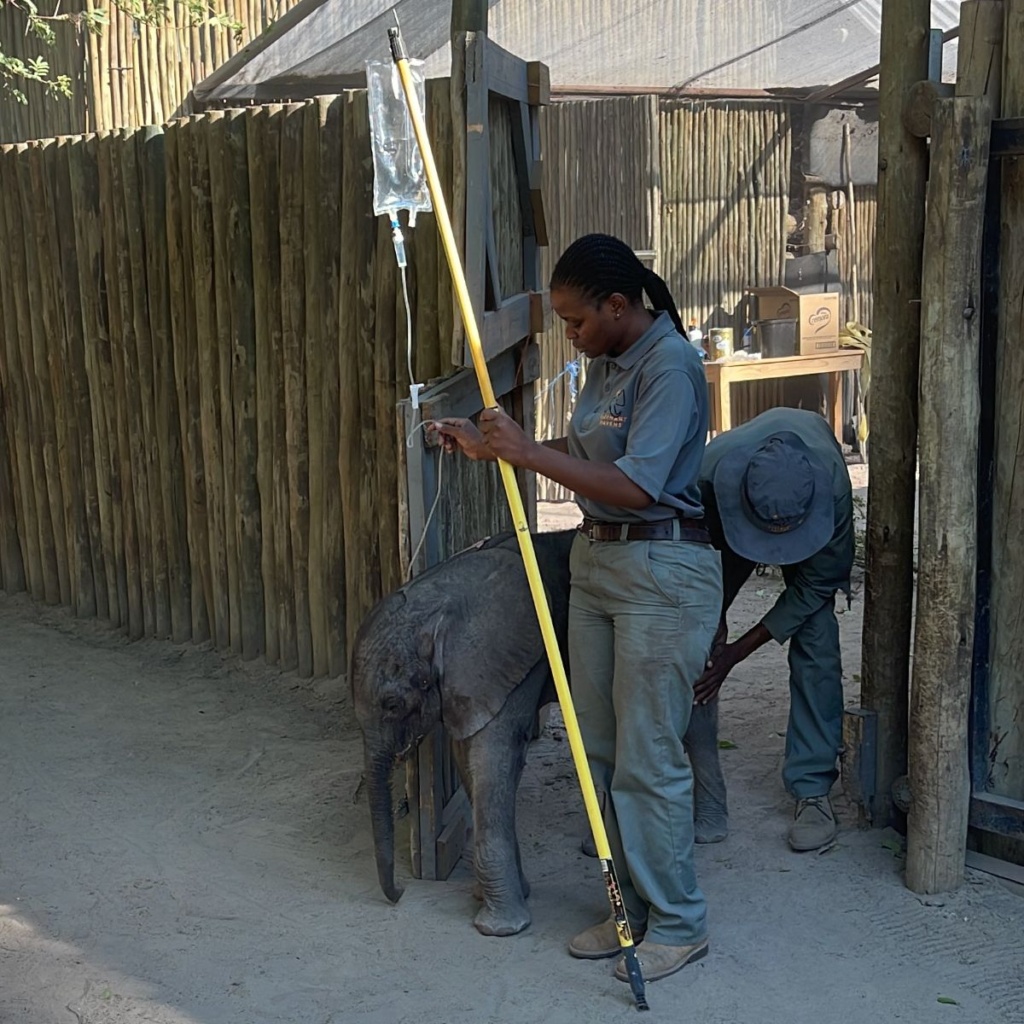
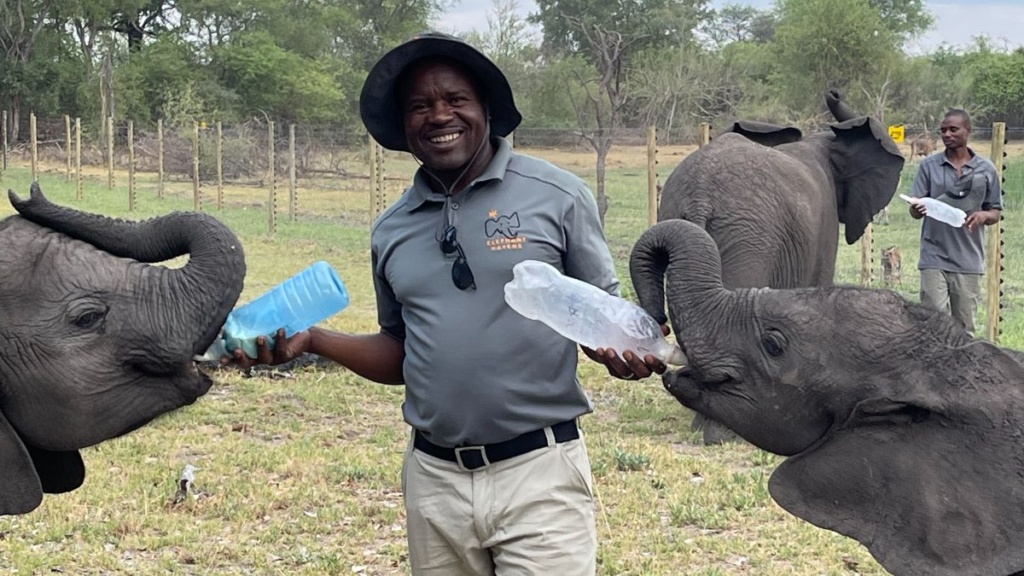
There are also any number of supplements that we add to the bottles of milk depending upon the stage of development. Accordingly, we have 2-3 “specialists” who work shifts in the kitchen getting all of that right for 19 bottles every 3 hours—8 times a day around the clock. Even more often than that with the tiny ones. Those are fed on demand and, oh, can they be demanding. One little boy came to us with a cough and colic. All is well now after a round of antibiotics and a supplement called “Succeed” that has proven miraculous with colic. Apologies if I have lost you with all of this discussion of how the “sausage is made” behind the scenes of the rescue program.
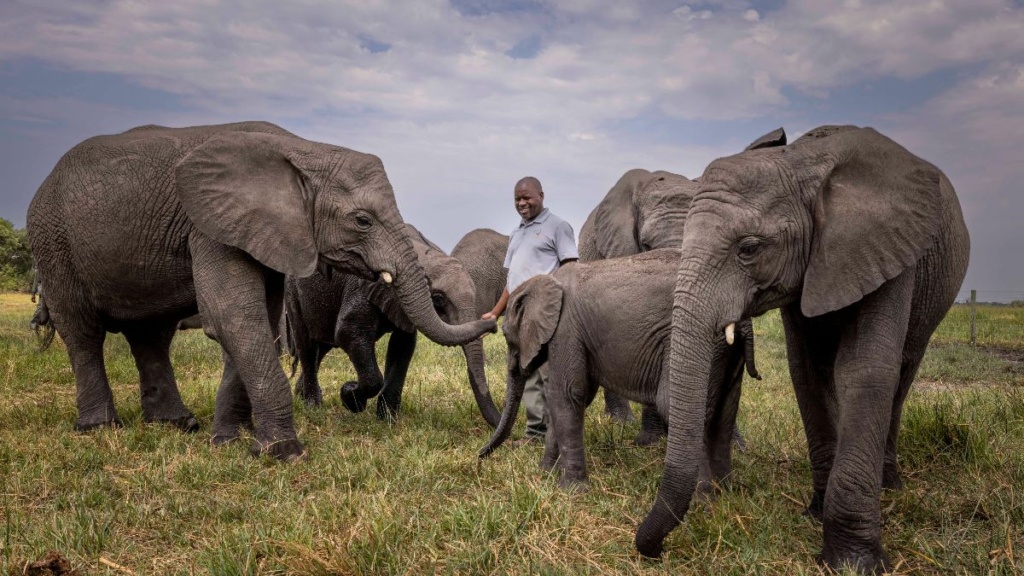
We do project and budget for the rescue missions based on historical experience. But this past month has been unprecedented. The herd has nearly tripled in size this year from the seven babies that remained in January after we trekked our first four elephants to the soft release area. All these newest little ones are a wonderful sight to behold, but the tragedy of this cannot be understated. We will turn no rescue away, and somehow the team has it all under control. It was a beautiful thing to watch them work.
The fact is, we desperately need your help! With your donations, we have currently raised about 50% of the funds to meet the matching challenge, and we sure don’t want to leave any of that on the table—now more than ever. You have been so generous over the last five years, and we could sure use a little extra help now. A lot of help, actually.
Here are some one-time expenses we had not budgeted specifically, but they have now become real:
- Completed pan (pond) repair project: $16,800
- New single cab work horse truck: $37,500. Our existing truck is costing more to repair than a new one. It is hard driving in the Delta and our men are diligent, but this is our first truck and it has served its time.
- New bomas: $35,000. We are completely full with 20 elephants. This cost includes a quiet room for the tiny little babies who need a more enclosed area where we can keep them warmer and cooler during extreme weather. A motel would have turned on its No Vacancy sign by now, but of course we’ll never refuse a baby elephant in need.
- Six new Elephant Handlers (aka “Mothers”)
Again, we are able to do more than one thing at a time even though the elephant rescue function demands most of our attention at the moment. We always want to maintain engagement with the Shorobe Primary School that we help support in the community. School is out for a long Christmas break, and we are finishing the bat relocation project while classrooms are empty.
On the last day of school, we met with the school administrators to ask what they need. (We think it presumptuous to suggest our plans for their school.) They are, as always, grateful for the help and started our meeting with a reminder that they are constantly in need of consumables—paper, pens, etc. We asked that they think a bit bigger. Now we have competitive bids for a complete paint and refurbishment of all structures, plus the renovation necessary to bring the original classroom (from 1963, pre-independence) back into service. We are all excited to move more kids out of the tents that we have provided for overflow classrooms. Our bus service continues to bring more kids back to school which continues to help make all of this worthwhile.
- Paint and refurbish all structures at Shorobe Primary School: $17,237.
As this year comes to a close, we do hope you will keep Elephant Havens in your plans for a tax-deductible gift. Thanks to two matching fund challenges, all gifts up to $125,000 will be doubled until December 31. It would be a shame to leave any of that matching money on the table, so to speak. Of course, we’ll also be thrilled to receive donations that push us beyond that $250,000 total.
As always, we thank you all for everything you have done to make it possible to do all the rescue and community work we do. We absolutely cannot do it without you. You guys are what make it happen. Well done.
Sincerely,
Scott, Debra, Bee and the Elephant Havens Team
Add Comment